 Download Free (.pdf)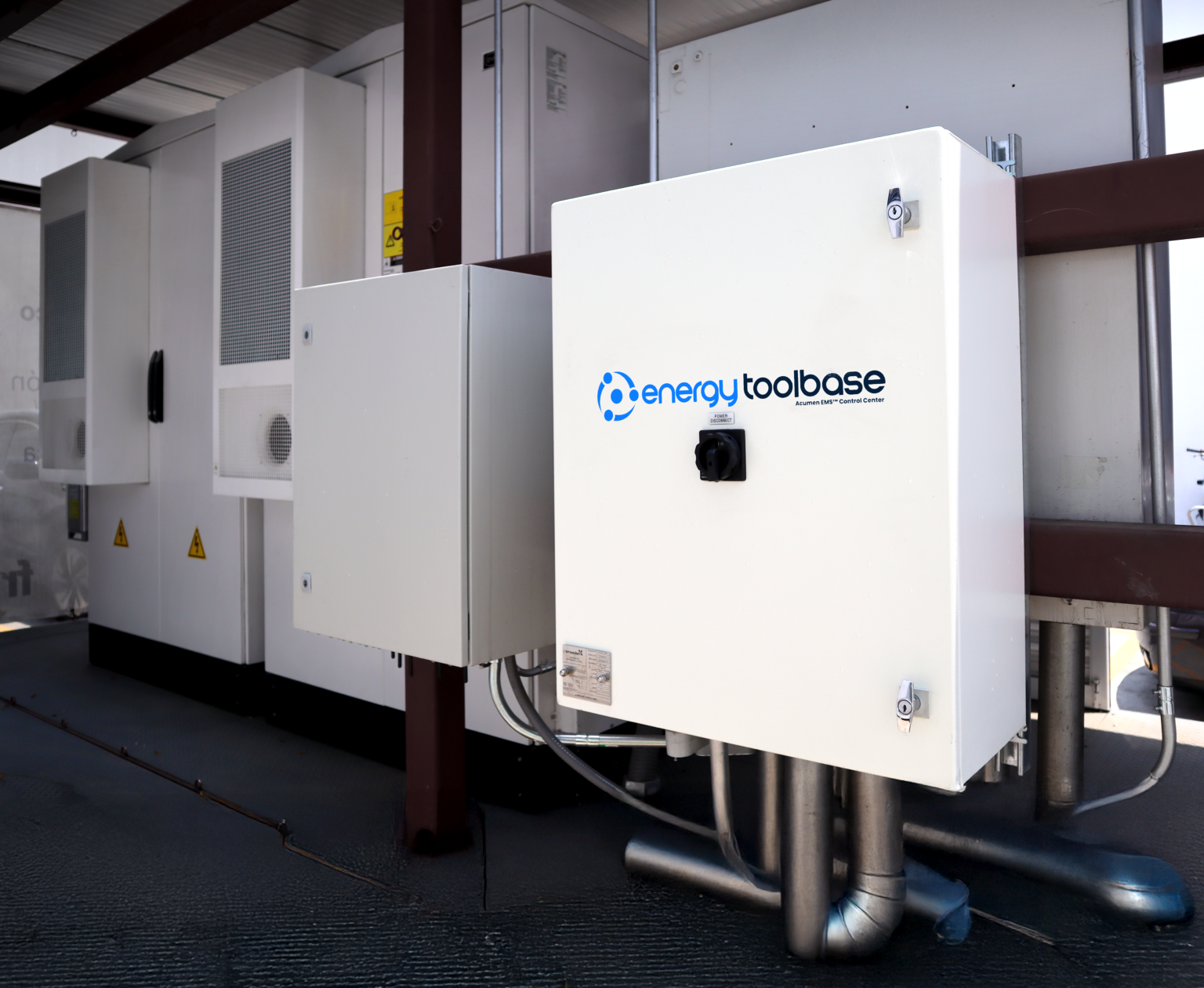
The role of an EMS controller has shifted in recent years, owing to the greater demand for smarter energy storage management. However, when those controllers fail due to communication failures or inaccurate forecasting, the consequences can be significant.
Degraded batteries and limited monitoring capacity can have real impacts on costs and efficiency, which is why optimization and intelligent load management are essential, not optional. Whilst the benefits of using EMS controllers like ETB Controller with Acumen AI, are well-known, we’ve run through some of the most frequent problems we come across to highlight potential issues within outdated systems that need to be addressed.
Issue 1: Failures in Integrations or Communications
Batteries and storage systems have become critical infrastructure assets, and reliability is a key requirement. Controllers don’t work in isolation; they need to communicate with inverters, Battery Management Systems (BMS), and your central control or monitoring platform. If communications break down at any of those touchpoints, your system won’t function smoothly.
This can lead to inefficiencies and downtime, often because of relatively easy-to-fix issues. They could relate to compatibility problems with the communication formats used by different devices, or data loss that prevents you from compiling accurate reports or monitoring system performance.
Luckily, ETB Monitor connects directly to ETB Controller to make any communication breakdowns immediately clear.
Issue 2: Inaccurate Load Forecasting
Load forecasting enables you to see how much energy your site will require, and when, supporting strategic functions that ensure you measure demand and take advantage of favorable tariffs. Your EMS controller should be able to:
- Anticipate demand before it happens
- Charge batteries when tariffs are lower (simple controllers can’t do this)
- Discharge during higher-cost periods
Mistakes or inaccuracies in load forecasting can mean charging, cycling, or discharging at an inopportune moment, and, over time, contribute to a reduced battery lifespan if you’re going through repeat cycles, which cause degradation.
Issue 3: Problems With Thermal Overloads
Thermal overload can be a serious safety risk because poor load management and an inability to monitor your cooling systems can lead to lost efficiency and dangerously high temperatures when batteries overheat. Tracking heat and excessive thermal load is a priority that will protect the lifespan of your batteries and ensure your energy storage systems are safely maintained.
How to Resolve Common Energy Storage Controller Problems
Modern, purpose-engineered controllers like our ETB Controller are designed to overcome these common challenges, incorporating in-built features, from advanced monitoring to remote diagnostics that give you:
- Improved visibility of your system performance
- Smart monitoring capabilities
- Dependably accurate forecasting
Rather than detecting faults after the fact, relying on static controls and preset cycles, or compromising on scalability, ETB Controller is a one-stop shop for energy storage system optimization. It’s backed by the experts in technical proficiency, energy markets, and the financial aspects of managing solar and storage projects, with a team that can assist with every element of your integrations and configurations.
If the frequent issues we’ve summarized here sound familiar, or you’re dealing with other challenges around data gaps and scalability constraints, you’re welcome to contact Energy Toolbase to learn more about ETB Controller, or you can access technical specifications via our online resources.